


JEE Main Paper 2 Drawing Questions 2027 (B.Arch) with Solutions & PDF
October 24, 2026
The JEE Main Paper 2 (B.Arch) Drawing Test has 2 questions for 100 marks and is the only pen-and-paper, offline section of the exam.
It tests freehand sketching, perspective, proportion, light and shade, composition and creativity - through tasks like scene drawing (markets, streets, festivals), geometric compositions, memory drawing and perspective views.
Unlike the objective sections, drawing has no negative marking and is evaluated on idea clarity, composition and execution rather than artistic perfection. Below are sample drawing questions with model solutions and a weekly practice plan for 2027.
Key Highlights - JEE Main Paper 2 Drawing Questions
- Drawing Test: 2 questions, 100 marks (B.Arch / Paper 2A only).
- Mode: pen-and-paper (offline) - the only non-CBT section.
- No negative marking - attempt both questions fully.
- What's tested: perspective, proportion, light & shade, composition, creativity, human scale.
- Scored on: idea clarity, composition and execution - not artistic perfection.
- Common tasks: scene drawing, geometric composition, memory drawing, perspective views.
On this page, you will find official drawing question prompts, downloadable PDFs, sample JEE B.Arch drawing questions with model solutions for practice, analysis of types of drawing questions for JEE main paper 2, and proven preparation strategies to crack JEE Main 2027 B.Arch exam drawing section.
How much does drawing count?
The Drawing Test is worth 100 of Paper 2's 400 marks - a full quarter of your score, and a section B.F.Tech and B.Planning aspirants don't even sit. It is pen-and-paper (offline), carries no negative marking, and is evaluated subjectively by design faculty on - correct perspective, balanced composition, proportion and scale, clarity of idea, and neatness.
Because there's no penalty for attempting, always complete both questions - an unfinished drawing loses easy marks.
Nature of JEE Main Paper 2 Drawing Questions 2027
The drawing section typically comprises questions that assess a candidate’s ability to sketch a given object proportionately and with proper shading, visualize and draw the effects of light on the object and shadows cast on the surroundings, and combine and compose given three-dimensional elements to form a building or structural form.
This section evaluates not just the drawing skills but also the candidate’s creative and imaginative capabilities.
Types of JEE B Arch Drawing Questions (JEE Main Paper 2) - Which Drawing Topics are Most Frequent?
The drawing section of JEE Main Paper 2 (B.Arch) evaluates a candidate’s ability to visualize, compose, and communicate ideas through freehand sketching. Over the years, most JEE B Arch drawing questions fall into a few predictable categories. Understanding these question types from the JEE B.Arch exam syllabus helps you prepare strategically and avoid surprises on exam day.
Below are the most commonly asked types of JEE Main Paper 2 drawing questions.
| Type of JEE B Arch Drawing Questions | What It Tests |
|---|---|
| Geometric Composition | Balance, proportion, shading |
| Imaginative Scene | Creativity, perspective, storytelling |
| Memory Drawing | Observation, realism |
| Perspective Drawing | Depth, spatial accuracy |
| Human Figure Drawing | Proportion, movement |
| Poster / Visual Design | Communication skills |
1. Geometric Composition Drawing Questions
In this type of JEE B Arch drawing question, candidates are asked to create a visually balanced composition using basic geometric shapes such as cubes, cones, cylinders, spheres, pyramids, and prisms.
What you may be asked:
- Arrange 4-6 given shapes into a creative composition
- Maintain proportion, symmetry, and spacing
- Apply light, shadow, and coloring
- Create depth and visual hierarchy
Skills tested:
- Composition balance
- Spatial arrangement
- Shading and rendering
- Clean line quality
These questions test how well you organize elements in space and maintain aesthetic harmony.
To see which drawing types have appeared most often, check the trends and difficulty level of JEE Main Paper 2.
2. Imaginative Scene Drawing Questions in JEE B.Arch
This is one of the most frequent JEE Main Paper 2 drawing question types. You may be asked to draw a real-life or imaginative scene based on a given theme.
Common prompts include:
- A busy market street
- A park with people and activities
- A railway station or bus stop
- A festival scene
- A classroom or playground
Skills tested:
- Perspective understanding
- Human figures and scale
- Storytelling and environment creation
- Detailing and clarity
These questions assess creativity, observation skills, and visual narration.
3. Memory-Based JEE B Arch Drawing Questions
Memory drawing questions require candidates to sketch objects or scenes from memory, without direct reference.
Typical examples:
- Draw a roadside tea stall
- Draw a study table with objects
- Draw a kitchen corner
- Draw a bicycle or vehicle
Skills tested:
- Observation accuracy
- Proportion control
- Realistic detailing
- Object structure understanding
These questions evaluate how well you observe everyday surroundings.
4. Perspective Drawing Questions
Perspective-based questions focus on drawing spaces realistically using one-point or two-point perspective.
You may be asked to draw:
- A room interior
- A street view
- A corridor
- A building entrance
Skills tested:
- Vanishing point accuracy
- Depth perception
- Proportion consistency
- Architectural visualization
Perspective drawing is a high-scoring area in JEE B Arch drawing questions.
To get good scores in JEE Main Paper 2 drawing questions, it is important to understand the JEE B.Arch exam pattern, type of questions asked and syllabus of the exam.
5. Human Figure & Activity - JEE Main Paper 2 Drawing Questions
Some JEE Main Paper 2 drawing questions involve drawing people performing activitiein a scene.
Examples:
- Children playing
- People shopping
- A vendor selling goods
- A family in a park
Skills tested:
- Body proportion
- Posture and movement
- Scale relation with surroundings
- Gesture clarity
Even simple stick-to-form human figures are sufficient if proportions are correct.
6. Visual Communication / Poster Drawing Questions
Occasionally, candidates may be asked to create a poster or visual message related to social themes.
Possible themes:
- Cleanliness awareness
- Save water
- Road safety
- Environment protection
Skills tested:
- Visual clarity
- Message communication
- Layout balance
- Typography basics
These questions test your ability to communicate ideas visually, not artistic perfection.
Pro Tip for Aspirants: Instead of randomly sketching, align your practice with these actual JEE B Arch drawing question types. Practicing each category weekly improves speed, accuracy, and confidence significantly.
Practise authentic prompts from the previous year JEE Main Paper 2 question papers to see how drawing tasks are really framed.

JEE Main Paper 2 Past Drawing Questions Examples with Solutions
Q1. Create a 3D composition using a glass bottle with a plant, a cloth-covered box, a half-cut coconut, and a solid cube. Show the correct proportion, depth, perspective, and lightshade. Draw neatly using pencil only.

Q2. Create an interesting 2D composition using a motif of your choice and color.

Q3. Illustrate a scene from an Indian festival celebration.

Q4. Draw the proportionate sketch of a given reference image using any black and white rendering technique of your choice.

Q5. Draw the proportionate sketch of a given reference image using any black and white rendering technique of your choice.

For the complete section-by-section approach, see our JEE Main Paper 2 preparation strategy.
More Sample JEE Main Paper 2 Drawing Questions for 2027
Applicants appearing for the JEE main paper 2 exam 2027 are advised to go through JEE main paper 2 drawing question paper pdf. Following types of questions are frequently asked in the JEE B Arch exam:
A. Observational Sketching - Monochrome Rendering
Q1. Draw the given image in detail. Use a monochromatic colour rendering technique, with light and shadow to represent its depth and intensity.
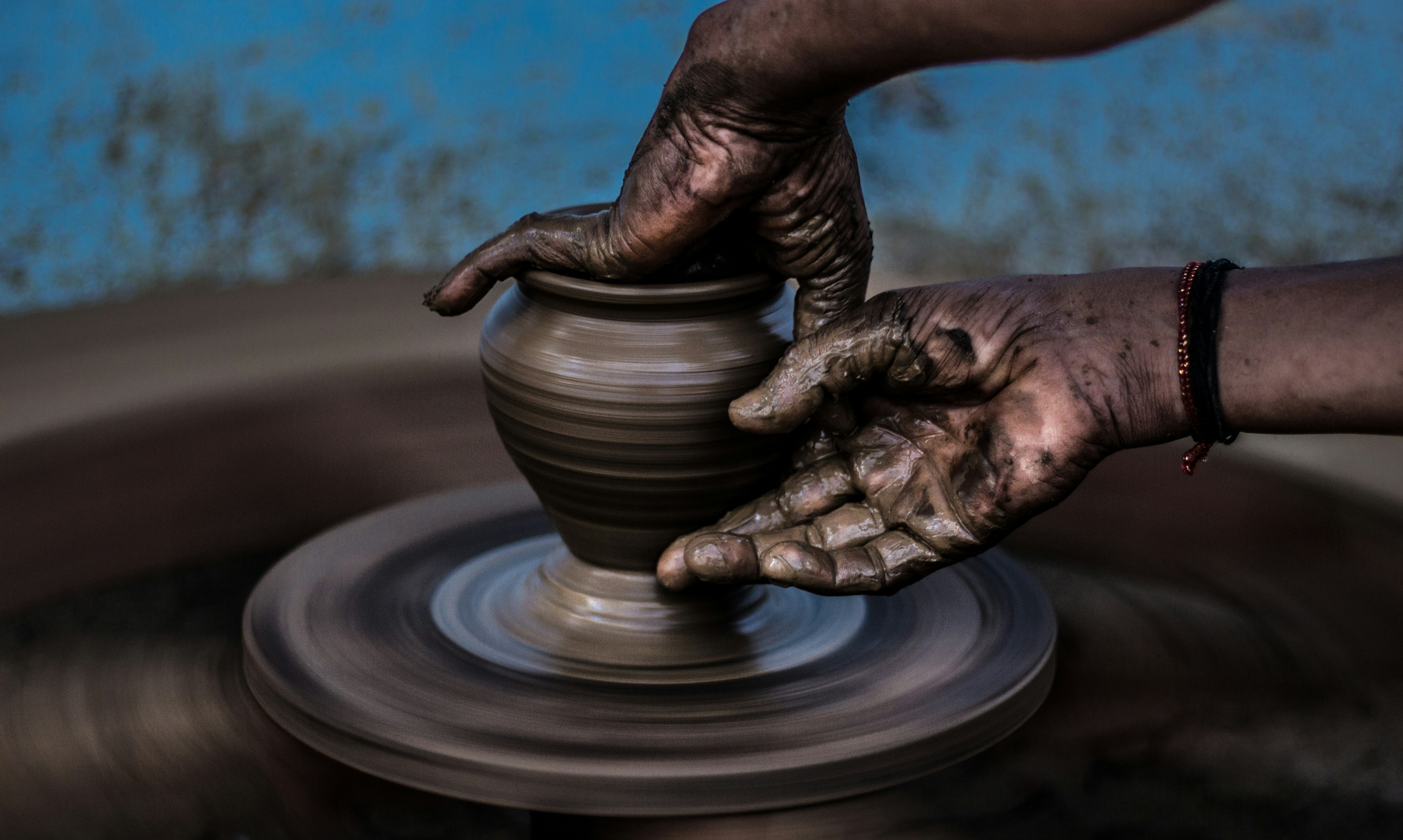
Q2. Draw the given image in detail using monochromatic shading to bring out texture and depth.
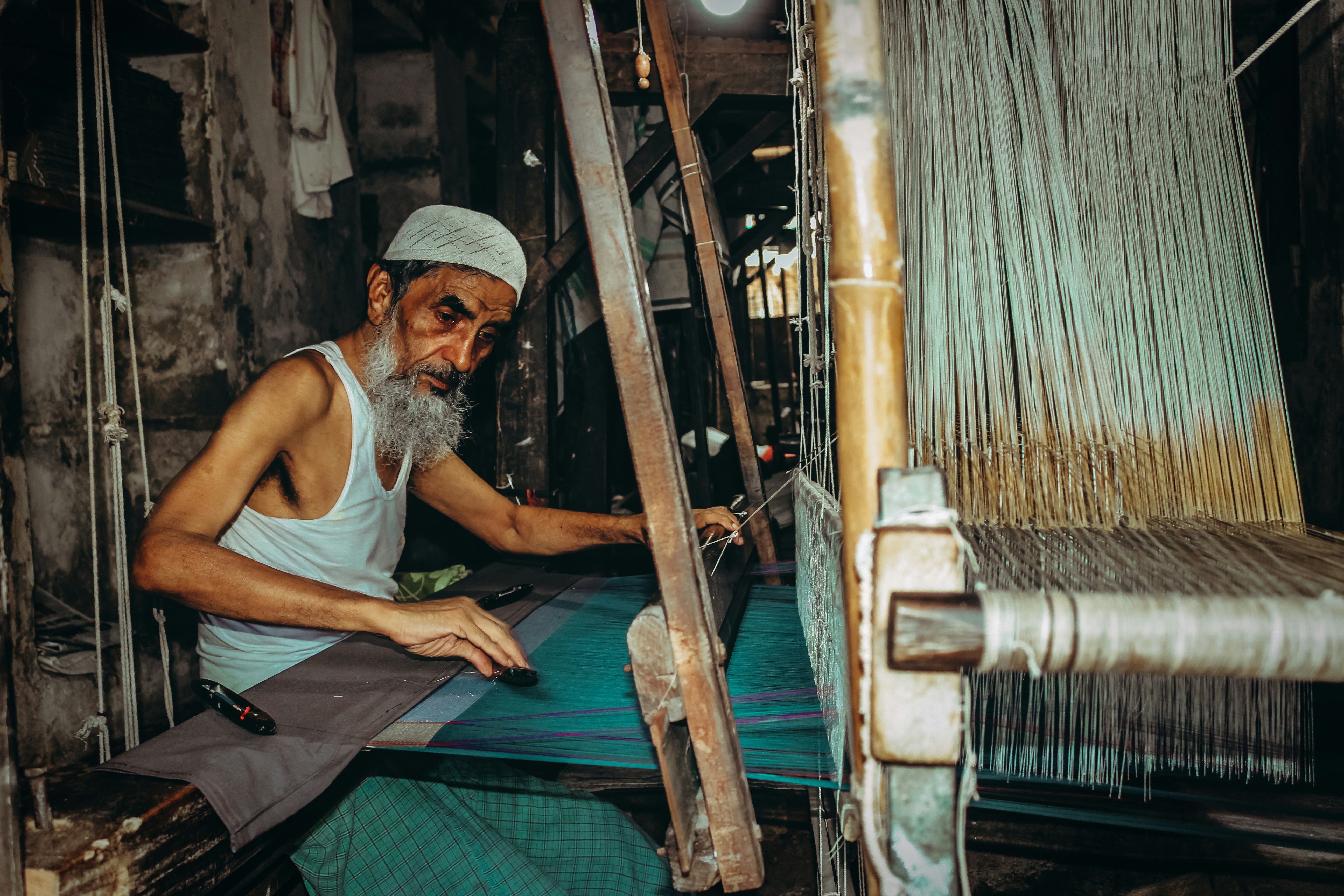
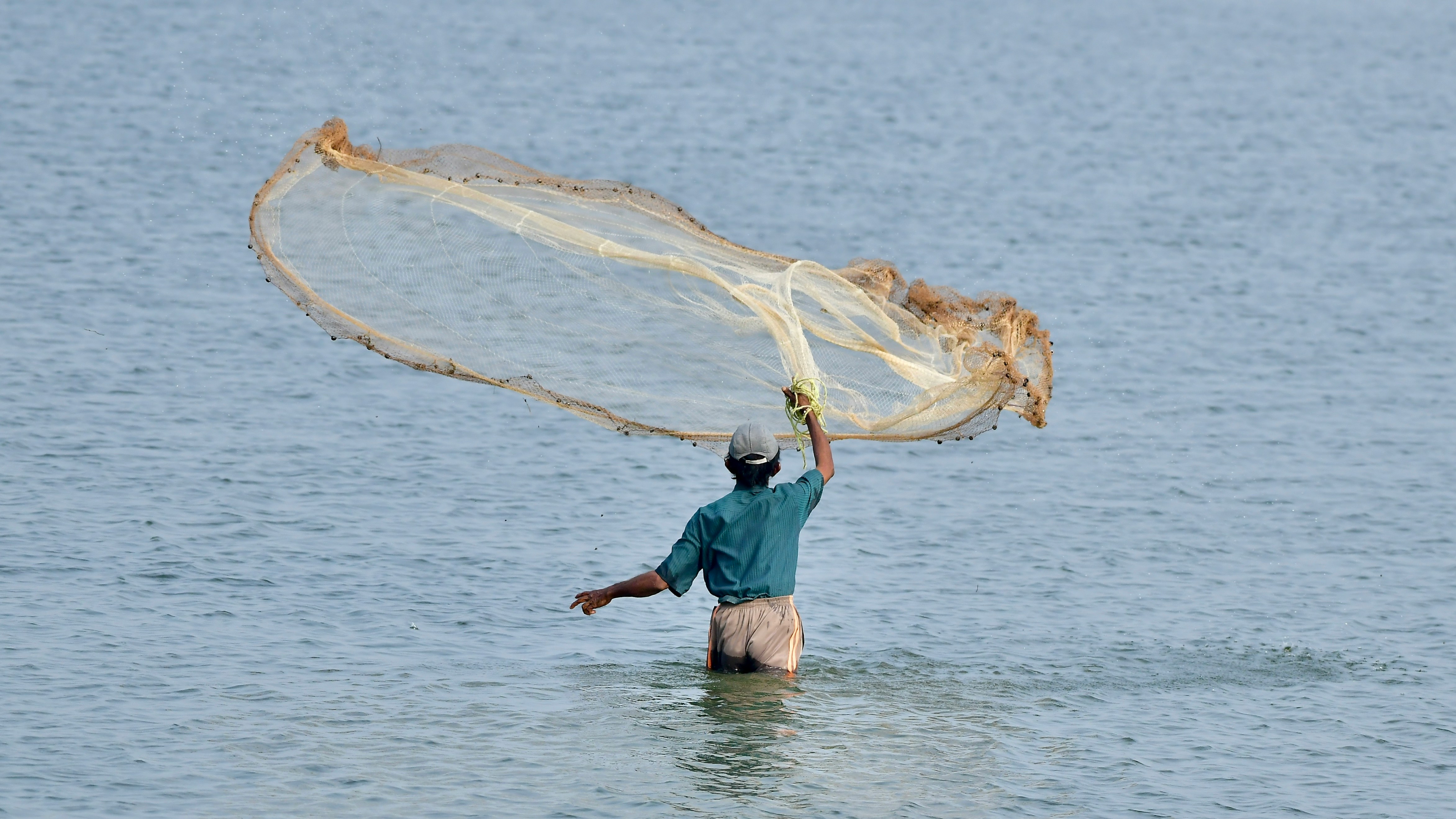
Q3. Reproduce the given image with light, shadow and tonal depth, using one colour only.
B. Theme-Based Composition Using Specified Elements
Q4. Design a logo for a “Clean India” campaign using one alphabet, two numerals, a triangle, a circle and a curved line. Use any three colours of your choice.
Q5. Create an emblem for a school’s annual Sports Day using two geometric shapes, one human silhouette and one numeral. Use a minimum of three colours.
Q6. Design a poster-mark for “World Water Day” using a water-drop form, one alphabet and two geometric shapes. Colour it as you wish.
C. 3D Composition / Sculpture from Objects
Q7. Using five different kitchen utensils, compose a balanced 3D still-life sculpture. You may scale each object to any size. Use a minimum of four colours.
Q8. Create an interesting 3D composition using only cylinders and cubes of varying sizes. Render with light and shade to show depth and volume.
Q9. Using four musical instruments of your choice, build a creative 3D composition for a music-festival stage. You may scale each freely. Minimum four colours compulsory.
D. Perspective Scene Drawing
Q10. Draw a railway platform in one-point perspective, with passengers, luggage and a train waiting at the platform. Use colours of your choice.
Q11. Draw a narrow market street in two-point perspective, showing shops, signboards and people shopping.
Q12. Draw the interior of a classroom in one-point perspective, with students, desks and a blackboard.
Perspective is the highest-scoring drawing skill - this free perspective drawing lesson walks through one- and two-point setups.
E. Imaginative / Memory Scene Drawing
Q13. Draw from imagination a village fair (mela), with stalls, a giant wheel and a crowd enjoying the evening. Use suitable colors.
Q14. Draw a public park on a Sunday morning - people exercising, children playing, and a vendor at the gate.
Q15. Draw from imagination a lively cricket match in a stadium, with players on the field and spectators cheering.
F. Human Figure & Activity
Q16. Draw from imagination three people performing different activities at a construction site (one carrying bricks, one measuring, one directing). Focus on correct proportion, posture and scale.
Q17. Draw a group of street musicians performing, with a small audience gathered around them.
NOTE:
- The real paper gives only ~2 drawing questions (often with an OR), so this set works best as a practice bank you can draw from over time, not as a single mock.
- You can download the full official Paper 2 question papers (which include the drawing section) from the NTA website; since drawing is subjective, there's no official answer key - use the model solutions below to learn the approach.
Drawing pairs with architectural awareness - brush up with our GK questions for JEE Main Paper 2.
How to Prepare for JEE Main Paper 2 Drawing Questions 2027
The JEE Main Paper 2 drawing questions 2027 are designed to test much more than just sketching skills. They evaluate a student’s visualization ability, sense of proportion, perspective understanding, creativity, architectural awareness, and time management. To score well in JEE B.Arch drawing questions, aspirants need a structured and exam-oriented preparation strategy rather than random drawing practice.
1. Understand the Nature of JEE B.Arch Drawing Questions
Before preparing, it is important to understand what JEE Main Paper 2 drawing questions typically focus on:
- Perspective drawing (one-point / two-point)
- Urban or street scenes with human scale
- Composition using architectural elements
- Light, shade, and depth
- Creative tasks such as logo-based or theme-based compositions
Most JEE B.Arch drawing questions are situation-based, not abstract art tasks. Accuracy, clarity, and proportion matter more than artistic complexity.
2. Build Core Drawing Fundamentals (Non-Negotiable)
To score consistently in JEE Main Paper 2 drawing questions 2027, strengthen these fundamentals first:
- Perspective basics: horizon line, vanishing points, depth
- Proportion & scale: doors, windows, vehicles, furniture, people
- Line quality: confident, clean strokes (avoid sketchy lines)
- Light & shadow: simple shading to show depth, not heavy rendering
Practice drawing everyday architectural scenes (rooms, streets, staircases, corridors) instead of random objects.
See which drawing themes recurred in recent papers in our JEE B.Arch exam analysis.
3. Practice Previous Year JEE B Arch Drawing Questions (Most Important)
The most effective preparation method is solving previous year JEE Main Paper 2 drawing questions.
Why this matters:
- You understand actual exam difficulty
- You learn how questions are framed
- You identify repeated drawing themes
- You improve speed and layout planning
Solve at least the last 5-7 years of JEE B.Arch drawing questions under timed conditions to simulate the real exam.
4. Time Management Strategy for Drawing Questions
Time is a major challenge in JEE Main Paper 2 drawing questions. A smart split is crucial:
Ideal Time Breakdown (per drawing question):
- 3-4 minutes → rough layout & perspective grid
- 20-25 minutes → clean final drawing
- 4-5 minutes → light shading & detailing
Avoid over-rendering or excessive detailing. Focus on clarity, proportion, and completeness.
5. Develop a Standard Drawing Process (Exam-Safe)
For every JEE B.Arch drawing question, follow this fixed process:
- Read the question carefully (identify perspective, view, elements)
- Decide the composition placement on the sheet
- Lightly mark horizon line and vanishing points
- Block major forms first (buildings, furniture, roads)
- Add human figures for scale
- Finish with minimal shading and line weight
Examiners value organized drawings over messy creativity.
6. Focus on Scoring Parameters (What Evaluators Look For)
In JEE Main Paper 2 drawing questions 2027, marks are awarded based on:
- Correct perspective
- Balanced composition
- Proportion & scale
- Clarity of idea
- Neatness & presentation
Heavy colouring or artistic styles do NOT guarantee marks. Simple pencil drawings with correct structure score better.
Drawing carries 100 marks with no negative marking - see exactly how it fits the full JEE Main Paper 2 marking scheme.
1-Week Repeatable Practice Plan for JEE B.Arch Drawing Questions
This structured weekly plan helps aspirants systematically practice the most important topics of JEE Main Paper 2 drawing questions and JEE B.Arch drawing questions, without overloading their daily schedule. The same cycle can be repeated every week with increasing difficulty and time discipline.
| Day | Main Topic | What to Practice | Example Types of JEE B.Arch Drawing Questions | Daily Time Target |
|---|---|---|---|---|
| Day 1 | Composition & Design (2D) | Balance, spacing, visual hierarchy using geometric shapes | Create a poster using circles and triangles to represent “Growth” | 50-60 mins |
| Day 2 | Object Drawing & Rendering | Proportion, light & shadow, texture of everyday objects | Sketch a chair and table placed near a window with correct shading | 50-75 mins |
| Day 3 | Perspective Drawing (Scene) | One-point / two-point perspective, depth, human scale | Draw a street view showing shops, pedestrians, and vehicles | 60-75 mins |
| Day 4 | Architectural Elements (3D Forms) | Combine cubes, cylinders, stairs, roofs with light & shadow | Create a pavilion using basic geometric solids | 50-60 mins |
| Day 5 | Composition Speed Practice | Quick layout planning and neat execution | Theme-based composition in limited time | 45-60 mins |
| Day 6 | Full Drawing Mock | Complete 2 exam-level drawing questions | Previous year JEE Main Paper 2 drawing question | 60 mins (or ideally 30-45 mins) |
| Day 7 | Review & Improvement | Error analysis, redraw weak areas | Correct perspective mistakes and proportion errors | 30-45 mins |
Repeat this cycle weekly and gradually reduce completion time while improving accuracy and neatness.
Fit this weekly cycle into a full schedule with our detailed JEE B.Arch study plan.
JEE B Arch Drawing Questions Practice - How to Progress Each Week
| Week | Focus |
|---|---|
| Week 1 | Accuracy & fundamentals |
| Week 2 | Speed improvement |
| Week 3 | Complex compositions |
| Week 4 | Full exam simulation |
After one month, repeat the cycle with tougher references and stricter time limits.
How to Balance Drawing Practice with JEE B.Arch Maths & Aptitude Preparation
Preparing for JEE B.Arch requires balancing three equally important components:
- Drawing (Paper 2 subjective)
- Mathematics
- Aptitude
Over-focusing on only drawing can hurt overall rank, while ignoring drawing can severely limit score potential.
Ideal Daily Time Split (Balanced Preparation Model):
| Section | Recommended Daily Time |
|---|---|
| Drawing Practice | 60-90 minutes |
| Mathematics Practice | 90-120 minutes |
| Aptitude Practice | 60-90 minutes |
| Revision / Analysis | 30 minutes |
Total study time - 4-5 hours/day
Smart Weekly Strategy
| Day Type | Focus |
|---|---|
| Weekdays | Balanced practice (Math + Aptitude + Short Drawing) |
| Weekends | Long drawing mock + full-length paper practice |
| Monthly | Full Paper 2 simulation |
Integration Tip (High Impact)
Use drawing practice to reinforce JEE Main Paper 2 Aptitude and Math:
✔ Perspective drawing improves spatial reasoning
✔ Composition improves visual logic
✔ Architectural sketching improves dimensional thinking
This overlap improves overall performance in JEE Main Paper 2.
Time Management Tips for JEE B.Arch Drawing Questions 2027 (3-Hour Exam Strategy)
The JEE Main Paper 2 (B.Arch) exam 2027 is conducted for 3 hours, during which candidates must solve three sections - Mathematics, Aptitude, and Drawing. Managing time effectively for JEE B.Arch drawing questions while balancing objective sections is critical for maximizing total score.
Many students lose marks not because of lack of drawing skills, but due to poor time allocation and rushed execution.
Ideal Time Distribution for JEE Main Paper 2 (3 Hours)
| Section | Recommended Time | Purpose |
|---|---|---|
| Mathematics | 60-70 minutes | Secure accuracy-based marks |
| Aptitude | 70-80 minutes | Fast scoring section |
| Drawing | 60-70 minutes | Quality execution |
| Buffer / Review | 10 minutes | Error correction |
This ensures sufficient time for JEE Main Paper 2 drawing questions without compromising Maths and Aptitude performance.
Wondering what your target score means for your rank? See how marks map in our JEE Main marks vs percentile guide.
Step-wise Time Split Per JEE B Arch Drawing Question - How to Use Time Smartly During the Exam?
| Stage | Time | What to Do |
|---|---|---|
| Question Reading & Planning | 5-7 minutes | Identify perspective, scale, composition |
| Rough Layout / Grid Setup | 8-10 minutes | Horizon line, vanishing points |
| Final Drawing Execution | 35-40 minutes | Clean lines, proportions |
| Light Shading & Finishing | 8-10 minutes | Depth and clarity |
| Quick Review | 3-5 minutes | Fix alignment errors |
Avoid spending excessive time on detailing.
Order of Attempt Strategy (High Efficiency)
| Sequence | Why |
|---|---|
| Aptitude First | Quick scoring, warms up brain |
| JEE B.Arch Mathematics Second | Requires focus and accuracy |
| Drawing Last | Requires uninterrupted time block |
Drawing should be attempted when mental focus is highest and time pressure is controlled.
Common Time Traps in JEE B.Arch Drawing Questions 2027
| Mistake | Impact | Fix |
|---|---|---|
| Over-rendering | Time loss | Keep shading minimal |
| No initial layout | Proportion errors | Always block layout first |
| Ignoring human scale | Lower evaluation | Add scale reference |
| Switching sections repeatedly | Mental fatigue | Stick to sequence |
| Starting drawing too late | Rushed finish | Reserve fixed drawing time |
Knowing your target helps you pace the drawing section - check the expected JEE Main Paper 2 cut-off.
Speed Benchmarks for Self-Check
| Skill | Target |
|---|---|
| Perspective setup | <10 mins |
| Clean base drawing | <40 mins |
| Shading + finishing | <15 mins |
| Total drawing | <65 mins |
Practice to meet these benchmarks during mocks.
Mental Control Tips for Exam Day
- Don’t panic if drawing looks imperfect - clarity matters more than beauty.
- Keep strokes confident and avoid unnecessary erasing.
- Use light pencil pressure initially.
- Maintain posture and hand stability.
Resources for Further Practice and Learning
- Books: “Drawing on the Right Side of the Brain” by Betty Edwards, “Architectural Graphics” by Francis D.K. Ching.
- Online Courses: Platforms like Coursera, Udemy, and Khan Academy offer courses in drawing and sketching.
- Practice from Previous Year Papers: Solving past year papers gives an idea of the question patterns and the level of difficulty.
For the full reading list across all three sections, see our JEE Main Paper 2 best books.
Conclusion
In conclusion, this article serves as a vital tool for aspiring architects preparing for the JEE Main Paper 2. By understanding the nature of the JEE Main Paper 2 drawing questions and utilizing the provided tips, sample solutions, and resources, students can significantly enhance their sketching skills and creative thinking.
Remember, consistent practice and a strategic approach are key to excelling in this exam. Embrace your creativity and let your imagination guide you to success in JEE Main Paper 2.
Preparing for B.Arch admission at NITs and SPAs in 2027? Creative Edge gives you a strategic roadmap, model solutions and mentor feedback on your drawings to help you ace the Paper 2 drawing section.
Join the best JEE B.Arch Online Coaching and get expert guidance on all JEE Mains Paper 2 subjects.

Frequently Asked Questions
Where can I get JEE Main 2027 Paper 2 exam Question Paper PDF?

Is solving JEE Main paper 2 Question Paper is really beneficial?
Where can I get JEE Main paper 2 previous year question papers?
Is JEE Main Paper 2 Question paper easy?
What type of questions are asked from the drawing section in the JEE Paper 2 exam?
Is the syllabus same for JEE Main Paper 1 and paper 2?
Is there any change in the B Arch Exam pattern?
Is 6 months enough for JEE Main Paper 2 Preparation?
Is RD Sharma enough for JEE Main Paper 2 Exam?
When is JEE Main Paper 2 2027?
What is the JEE Main Paper 2 Exam 2027 eligibility requirement?
How many questions are in Paper 2B (B.Planning)?
Is JEE Main Paper 2 for IIT architecture?
Vineeta Agrawal
Communications Executive
SHARE